
Foldable Cabinets vs Stackable Drawers vs Under-Bed Boxes: A Home Organization Comparison
Short answer: choose the foldable storage cabinet when a room needs closed, vertical storage and the footprint must be reclaimable when the unit is empty; choose the foldable storage drawer when capacity has to grow in fixed increments and contents must be visible from the front; choose the under-bed storage box when the only unused volume in a room sits below a bed or a low shelf. Capacity, stacking and price come second, because none of them compensate for a format the room cannot physically accept.
This guide compares three storage formats model by model — Foldable Storage Cabinet YN8871 (small, medium and large), Foldable Storage DrawerYN484536 (49L to 86L, stackable, transparent front panel) and Under-bed Storage Box HT8861 (96.5 cm or 100 cm length, 46.5 cm or 51 cm width) — and uses the Foldable Shoe Cabinet 7008 with adjustable 1 to 6 layer height as a reference point for height flexibility. It is written for buyers moving from evaluation into execution: distributors, brand owners and e-commerce sellers who must commit to a format before a market confirms it.
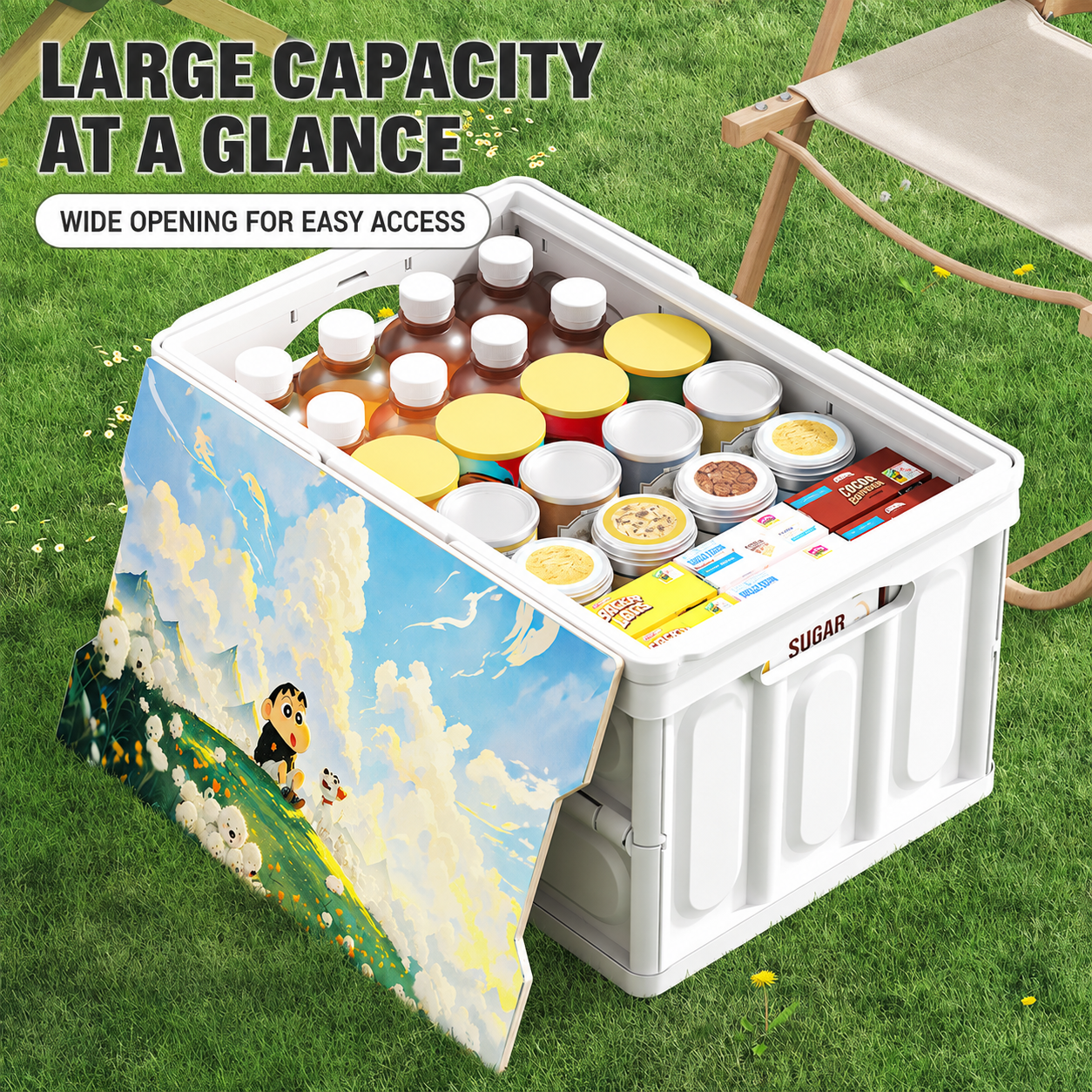
Access is the hidden variable in this comparison: a wide opening shortens the time it takes to find an item, which is exactly the difference between a drawer stack that stays organised and one that is rebuilt every month.
Problem Definition: Why a Format Error Shows Up After the Purchase Order
A format mistake is rarely a production defect. It is a box that fits under the bed but cannot be pulled out past a nightstand; a drawer stack that has to be rebuilt every time the bottom unit fills; a cabinet that a household folds once for shipping and never trusts again. Four checks prevent most of these outcomes, and each one maps to one of the three formats.
- Dimension is not clearance.HT8861 is offered in two lengths and two widths, but the measurement that decides the sale is the gap between the bed frame and the floor, plus the aisle needed to slide the box out. A box that clears the bed by a centimetre still fails if the pull-out path is blocked by furniture.
- Litres are not usable capacity. The 49L to 86L range of YN484536 describes volume, not how many cereal boxes, storage bags or toy sets actually fit. Usable capacity depends on internal height, the shape of the opening, and whether a transparent front panel lets a household find an item without dismantling the stack.
- Foldability is a mechanism, not a claim. A folding cabinet or drawer saves shipping volume and storage space when empty, but the hinge and panel joints are the parts that see repeated cycles. Buyers should treat the folding action as a component to be tested with a sample, not a headline to be printed on the packaging.
- Range overlap is a commercial error. Stocking three formats that answer the same need splits demand and blurs every listing. Each format in a range should map to one constraint that the others cannot solve.
Industry Background: What Is Growing, and What That Changes for an Assortment
Demand context decides which format gets the first purchase order. Market Research Future projects the global home organization products market to reach USD 21.65 billion by 2035, across a forecast window of 2025 to 2035. The same source identifies stackable storage as the fastest-growing sub-segment of the kitchen organization market, at a compound annual growth rate of 6.25% for 2026 to 2035.
For assortment planning, those two figures point in different directions. Growth in stackable storage supports leading with a drawer format in the kitchen and pantry category, where the front-visibility argument is strongest. The overall market forecast supports keeping a closed cabinet format for closets and laundry, where households want contents hidden rather than displayed. The under-bed box is the space-recovery SKU: it rarely leads a range, but it converts a measurement problem — no floor space — into a sale.
Compliance runs in parallel with demand. In the European Union, Regulation (EC) No 1935/2004 provides the harmonised framework for food-contact materials, and plastic food-contact materials are addressed specifically by Commission Regulation (EU) No 10/2011. Commission Regulation (EU) 2024/3190 prohibits the use of BPA and its salts in specified food-contact materials and articles placed on the EU market, subject to stated derogations. In the United States, polypropylene marked with recycling code #5 is generally described as BPA-free and FDA-compliant for food contact. These rules matter a great deal to a pantry drawer marketed for food storage and much less to a box that stores shoes — so the compliance question is really a question about how the SKU will be positioned.
Detailed Solution: What Each Format Is Actually Good At
The four formats below are deliberately not ranked. Each is the correct answer to a different constraint, and the notes on limitations matter as much as the notes on features when a buyer is writing a listing, a shelf plan or a room solution.
Foldable Storage Cabinet YN8871: closed vertical storage with a footprint you can reclaim
YN8871 is a freestanding folding cabinet offered in small, medium and large. The three sizes let one product family cover three footprint bands — a narrow corner, a standard closet run and a full-height wall — instead of opening a separate item for every width. Because the cabinet folds, it can ship and be stored flat when empty, which matters for seasonal ranges, small apartments and container utilisation.
Where it wins: kitchen overflow and small-appliance storage, laundry room utility shelving, kids' rooms where toys need to disappear behind a door, and entryways that need closed storage rather than open bins. Where it is the wrong choice: applications where contents must be found instantly and repeatedly without opening a door, and any plan that depends on stacking. A cabinet is a vertical, closed format; the drawer is the format built for front access.
Foldable Storage Drawer YN484536: capacity that grows in measured increments
YN484536 is a foldable drawer with a transparent front panel, offered from 49L to 86L, and it is designed to stack. The size range covers a single counter-top unit up to a multi-unit pantry column without changing the product concept. The transparent panel changes how the format is used: a household can identify contents without pulling the drawer out, which is often the difference between a pantry that stays organised and one that is reorganised every month.
Where it wins: kitchen pantry sorting, kids' toy organisation where children select their own items, closet shelf runs that need drawer access rather than hanging space, and laundry rooms where detergents and small items must stay visible. Where it is the wrong choice: rooms with no stable base for a stack, and any plan that puts heavy, rarely used items in the top unit of a tall column. Stacking is a discipline as much as a feature — the heaviest unit belongs at the bottom.
Under-bed Storage Box HT8861: the volume no other format can reach
HT8861 is offered in two lengths (96.5 cm and 100 cm) and two widths (46.5 cm and 51 cm), which gives four footprint combinations to match against common bed sizes. The format exists because floor space and wall space are usually the constraints in a small bedroom, while the space beneath the bed is unused. A low-profile box converts that space into storage for out-of-season clothing, bedding, shoes and household overflow.
Where it wins: bedrooms and dorm rooms, small apartments, seasonal rotation of clothing and linen, and any room where storage has to be out of sight. Where it is the wrong choice: daily-use items. Low clearance limits the height of what fits, and access requires lifting or sliding, so under-bed storage suits items touched a few times a year rather than every morning.
Foldable Shoe Cabinet 7008: layer height as the adjustable variable
The 7008 shoe cabinet is included here because it demonstrates a different kind of flexibility: adjustable 1 to 6 layer height. Where YN8871, YN484536 and HT8861 are fixed by footprint and depth, 7008 adapts to the height a room can give it, so one model can serve an entryway, a closet base or a utility corner. Buyers comparing formats should keep three levers separate — footprint flexibility (folding), capacity flexibility (stacking) and height flexibility (layer adjustment). Each answers a different room problem, and no single product covers all three.
What sits behind the formats: customization and manufacturing
A format decision is only executable if the supplier can deliver the variant a market asks for. xinhaibox is the brand of Taizhou Xinhai Cross-border E-commerce Service Co., Ltd., a B2B supplier of plastic household storage and daily-use products serving global wholesalers, distributors, retailers, supermarkets and e-commerce sellers, and it runs two customization routes behind the formats above.
OEM covers colour, logo and printing changes, with a minimum order quantity of 500 units, a lead time of 15 to 45 days and monthly capacity of 100,000 units. ODM covers logo, colour, packaging, size, structural design and material, including PET/PP ratio, with a minimum order quantity of 5,000 units, a lead time of 30 to 60 days and monthly capacity of 8,000 units. Both routes use AQL 2.5/4.0 standardized sampling for quality control, and products ship to North America, the EU, Southeast Asia and Latin America.
The operation behind those numbers is a 50,000 sqm factory with 500 employees, a 30-person engineering and design team, annual output of 1,000,000 units and an export ratio of 70%, supported by more than 20 years of manufacturing experience at Zhejiang Jinmao Plastic Group.

Printable surfaces such as a removable lid are one of the practical branding options inside the OEM route, alongside colour and logo changes.
| Customization route | What can change | MOQ | Lead time | Monthly capacity |
|---|---|---|---|---|
| OEM | Colour, logo, printing | 500 units | 15–45 days | 100,000 units |
| ODM | Logo, colour, packaging, size, structural design, material (e.g. PET/PP ratio) | 5,000 units | 30–60 days | 8,000 units |
Company-level documentation is available for buyer qualification. xinhaibox holds ISO 9001:2015 quality management system certification 28725Q1039R0M from Zhongzheng Excellent Certification Group Co., Ltd., valid from 20 October 2025 to 19 October 2028, with a scope covering research and development, production and sales of daily storage plastic products (boxes, cases, cabinets and baskets). It also holds ISO 14001:2015 environmental management system certification 77725E00040R053, valid to 22 December 2028, and ISO 45001:2018 occupational health and safety certification 77725S00040R053, valid to 22 December 2028. A technical inspection certificate against EN 14073-2:2004, number M.2022.206.C75474, was issued by UDEM and is valid to 11 July 2027; the certificate record lists the Under-bed Storage Box HT8861 among applicable products.
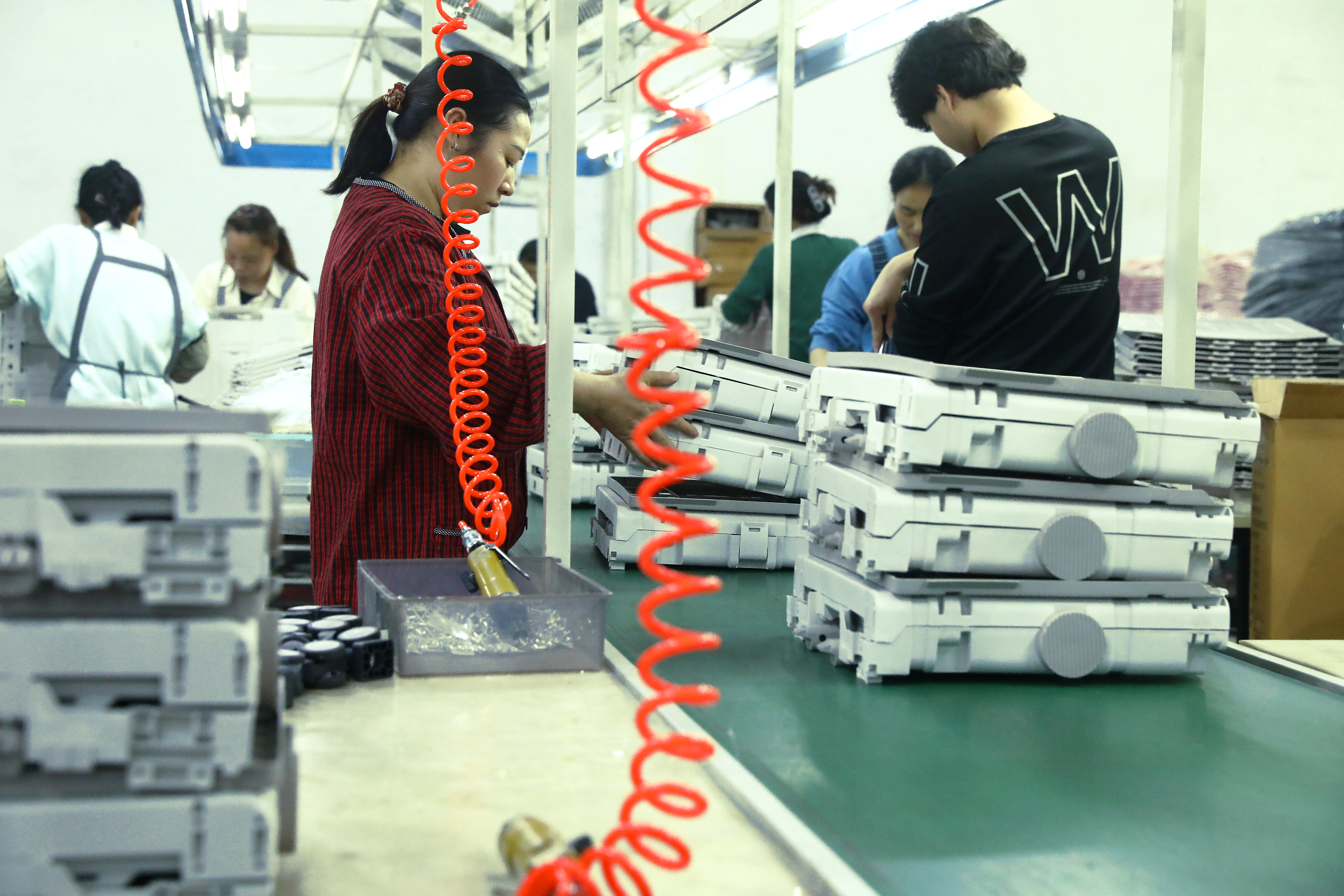
Standardized assembly is what makes a 500-unit OEM run and a 5,000-unit ODM run economically different rather than just numerically different.

ISO 9001:2015 certificate 28725Q1039R0M, valid 20 October 2025 to 19 October 2028, with a scope covering daily storage plastic products including boxes, cases, cabinets and baskets.
Step-by-Step Breakdown: Matching a Format to a Room in Five Checks
The sequence below is the one to run with a tape measure and a sample in hand. It is ordered so that the cheapest decisions come first and the most expensive commitments come last.
Step 1 — Measure the constraint that cannot move
In a bedroom, that is the bed clearance height plus the pull-out path; record both, and note any bedside furniture. In a pantry, it is the shelf run width and usable depth, because a drawer stack that overhangs the shelf is a return waiting to happen. In a closet, it is the wall run and the door swing. Write down three numbers per room and keep them attached to the sample request.
Step 2 — Convert stated capacity into usable capacity
For YN484536, check internal height against the tallest item the target market actually stores, not against an average. For HT8861, the two length and two width options define the internal footprint, while the box height limits how high items can be stacked inside. For YN8871, usable capacity is decided by shelf spacing and door opening, not by external volume.
Step 3 — Sort contents by access frequency
Daily items belong in a drawer with a transparent front panel or behind a cabinet door at eye level. Weekly items can live in a cabinet. Seasonal items — out-of-season clothing, spare bedding, holiday goods — belong in the under-bed box, where access is deliberately less convenient but the volume is otherwise wasted.
Step 4 — Validate the mechanism and the stack with a sample
Fold and unfold the cabinet or drawer repeatedly and check panel alignment and joint behaviour. Stack two loaded drawer units and confirm the lower unit is not deformed. Confirm that the transparent panel stays clear after normal handling, and confirm that the folded dimensions match the packaging plan. A sample that fails here will fail in a warehouse, a retail aisle or a customer's home.
Step 5 — Lock commercial and documentation terms
Confirm MOQ (500 units for OEM, 5,000 units for ODM), delivery basis (FOB or EXW), acceptance criteria (pre-shipment inspection by the customer or a third party such as SGS or ITS), payment terms (30% deposit by T/T, 70% balance before shipment or against BL copy) and the documentation set required for the destination market. Company-level certificates support this step, but product-level declarations still have to be requested per SKU.
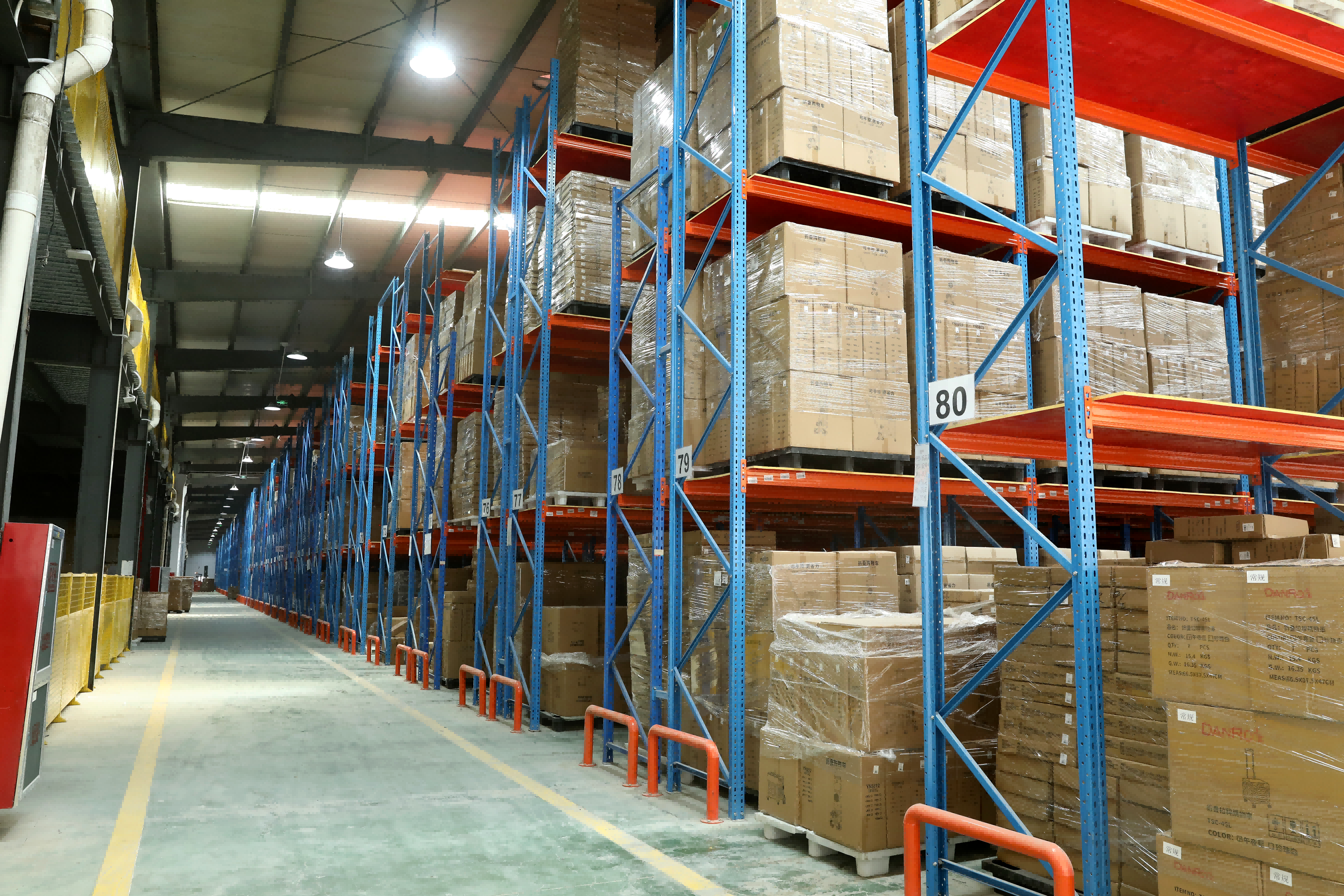
Inventory and dispatch planning belongs in step five: a 15–45 day OEM lead time is only reliable when the upstream stock position is visible.
Use Cases: Which Format Fits Which Room
Kitchen pantry sorting → YN484536. The transparent front panel and the 49L to 86L size range let a pantry be built as a column of matched units, with the heaviest items at the bottom and the most-used items at eye level.
Closet clothes storage → YN8871. Closed doors keep folded clothing and linen out of sight, and the small, medium and large sizes let a closet run be filled without custom joinery.
Kids' toy organisation → YN484536 and YN8871 together. Low drawer units let children select and return their own items; a cabinet handles the overflow that only adults touch. Keep the two roles separate so neither product is judged on the other's job.
Laundry room utility → YN8871 plus HT8861. Detergents and small equipment sit on shelves inside a cabinet, while spare linen and out-of-season items go into the low-profile box.
Small bedroom or apartment → HT8861. The 96.5 cm or 100 cm length and 46.5 cm or 51 cm width options let the box be matched to the frame rather than the other way round.
Entryway → 7008. Adjustable 1 to 6 layer height lets the same cabinet serve a shallow entryway and a taller utility corner.
Car trunk and outdoor use. Folding is not limited to indoor cabinets. xinhaibox supplies a foldable camping and car-trunk storage box that a logo-custom brand OEM client ordered in a 5,000-unit project for camping gear storage, car trunk organisation, picnic use and home storage — the same space-reclaiming logic, applied outside the home.
Comparison Table: Three Formats Side by Side
Use the table as a screening tool, not as a ranking. The format that wins is the one whose constraint matches the room you are selling into.
| Decision factor | Foldable Storage Cabinet YN8871 | Foldable Storage Drawer YN484536 | Under-bed Storage Box HT8861 |
|---|---|---|---|
| Constraint it solves | Needs closed vertical storage and a reclaimable footprint | Capacity must grow in increments and contents must be visible from the front | The only unused volume is beneath a bed or low shelf |
| Size options | Small, medium, large | 49L to 86L | 96.5 cm or 100 cm length; 46.5 cm or 51 cm width |
| Access style | Front door; contents hidden | Front panel; transparent | Low-profile top opening |
| Stacking | Not a stacking format | Designed to stack | Not a stacking format |
| Folds flat when empty | Yes | Yes | Not stated in the specification |
| Best rooms | Kitchen overflow, laundry, kids' room, entryway | Kitchen pantry, kids' toys, closet shelves, laundry | Bedroom, dorm room, small apartment, seasonal storage |
| Weak fit | Items needed instantly without opening a door | Rooms without a stable base for a stack | Daily-use and tall items |
| Customization | OEM colour, logo, printing from 500 units; ODM size and structure from 5,000 units | Same OEM and ODM routes | Same OEM and ODM routes |
FAQ
1. Do foldable cabinets, stackable drawers and under-bed boxes need food-contact compliance documents?
It depends on how the SKU is marketed, not on the product category. In the EU, Regulation (EC) No 1935/2004 provides the harmonised framework for food-contact materials and Commission Regulation (EU) No 10/2011 addresses plastics specifically; Commission Regulation (EU) 2024/3190 prohibits BPA and its salts in specified food-contact materials and articles placed on the EU market, subject to stated derogations. In the US, polypropylene marked with recycling code #5 is generally described as BPA-free and FDA-compliant for food contact. A drawer sold purely as household storage falls outside some of these requirements, while the same drawer marketed for pantry food contact may fall inside them. The practical gate is a document set per SKU — material declaration, BPA status and, where a food-contact claim is made, migration test evidence. xinhaibox holds ISO 9001:2015 certification 28725Q1039R0M covering daily storage plastic products including boxes, cases, cabinets and baskets, plus ISO 14001:2015 and ISO 45001:2018 certificates, but product-level declarations still have to be requested per SKU.
2. Can these three formats be customized, and what actually changes between OEM and ODM?
Yes, both routes are available, and the difference is how much of the product can move. OEM changes colour, logo and printing on an existing design, with a minimum order of 500 units, a 15 to 45 day lead time and monthly capacity of 100,000 units. ODM changes logo, colour, packaging, size, structural design and material, including PET/PP ratio, with a minimum order of 5,000 units, a 30 to 60 day lead time and monthly capacity of 8,000 units. A size change to YN8871 or a structural change to YN484536 belongs to the ODM route because it changes tooling and dimensions rather than decoration.
3. What MOQ, payment terms and acceptance criteria apply?
The minimum order quantity is 500 units, and delivery terms are FOB or EXW. Acceptance criteria are a pre-shipment inspection carried out by the customer or a third party such as SGS or ITS, supported by AQL 2.5/4.0 standardized sampling during production. Payment terms are 30% deposit by T/T with the 70% balance before shipment or against a BL copy. Because price is driven by size, material ratio and packaging, the fixed commercial anchors to compare across suppliers are MOQ, delivery basis, inspection rights and payment terms rather than a headline unit price.
4. How should a buyer validate a format before a bulk order?
Validate the physical constraint first, then the mechanism. Measure the bed clearance and pull-out path for HT8861, the shelf run and depth for YN484536, and the wall run and door swing for YN8871. Then request a sample in the exact size under consideration, fold and unfold it repeatedly, stack two loaded drawer units, and confirm that the transparent panel stays clear and that the folded dimensions match the packaging plan. Finish with a pre-shipment inspection using AQL 2.5/4.0 sampling. A sample that passes at this stage is the cheapest risk reduction available before a purchase order.
5. What lead times and production capacity should a buyer plan for?
OEM orders run 15 to 45 days and ODM orders run 30 to 60 days, against monthly capacity of 100,000 units for OEM and 8,000 units for ODM. The facility covers 50,000 sqm with 500 employees, a 30-person engineering and design team, annual output of 1,000,000 units and an export ratio of 70%, with shipping to North America, the EU, Southeast Asia and Latin America. Buyers who want to test one format in their own market before committing to a full range can request a sample or a specification-based quote for YN8871, YN484536, HT8861 or 7008 directly from xinhaibox at zora.zhu@xinhaibox.com.
Conclusion: Choose the Constraint, Then the Format
The three formats do not compete on capacity; they compete on which room constraint they accept. The foldable storage cabinet YN8871 accepts that a room has height but no permanent floor space. The foldable storage drawer YN484536 accepts that capacity has to grow in increments and that contents must be visible. The under-bed storage box HT8861 accepts that the only available volume is low, hidden and awkward to reach — and converts it into storage anyway.
For buyers in the evaluation-to-execution stage, the practical rule is to assign one format to one constraint per room, confirm the format with a measured sample, and then use MOQ, lead time and documentation as the commercial filter. Three formats answering three different constraints make a coherent range. Three formats answering the same constraint simply divide the demand.
Next Step: Sample, Quote or Catalogue
Compare the formats against your own measurements before committing to a range. Request a sample or a specification-based quote for the Foldable Storage Cabinet YN8871, Foldable Storage Drawer YN484536, Under-bed Storage Box HT8861 or Foldable Shoe Cabinet 7008, and review the full product range in the catalogue.
Brand: xinhaibox — Taizhou Xinhai Cross-border E-commerce Service Co., Ltd.
Website:www.xinhaibox.com
Catalogue:Xinhai Box Storage Products Brochure (PDF)
Contact: Zora — zora.zhu@xinhaibox.com · Tel / WhatsApp: +852 4743 6360
Address: Building D, Xinhai Digital Trade Hub, 89 Yintai Road, Jiaojiang District, Taizhou, Zhejiang, China
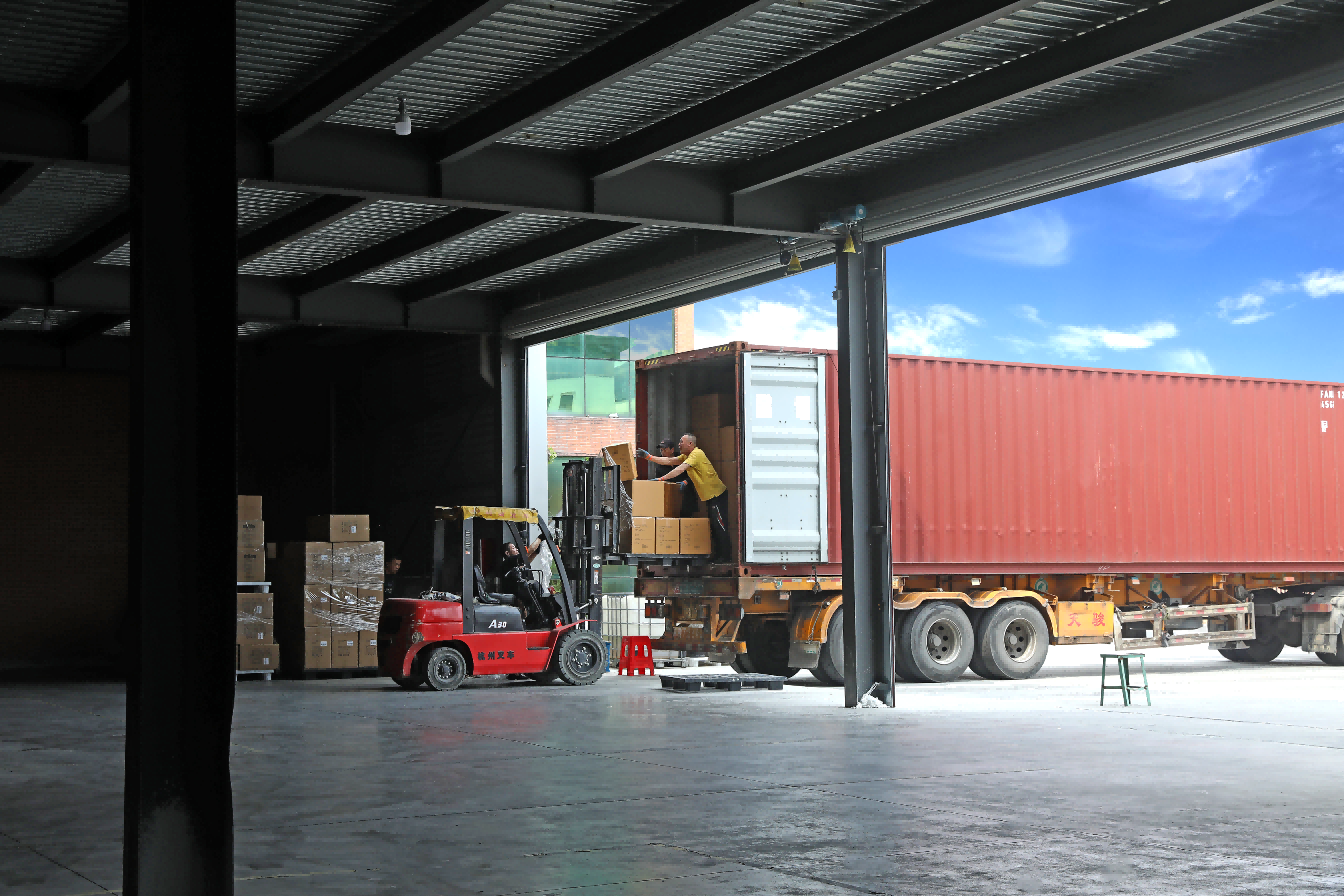
Container loading for global export: folding formats reduce shipping volume when empty, which is a logistics decision as much as a storage one.
Have Questions or Need More Details?
Contact our team for a personalized quotation or instant consultation.
Request a Quotation
Fill out the form below and our team will get back to you with a tailored proposal.
WhatsApp Direct Chat
Prefer to chat in real-time? Message us on WhatsApp for instant assistance & quick answers.
- Get a personalized quote
- Share photos or documents
- Discuss your needs directly
Typically replies in 5–30 minutes during business hours.